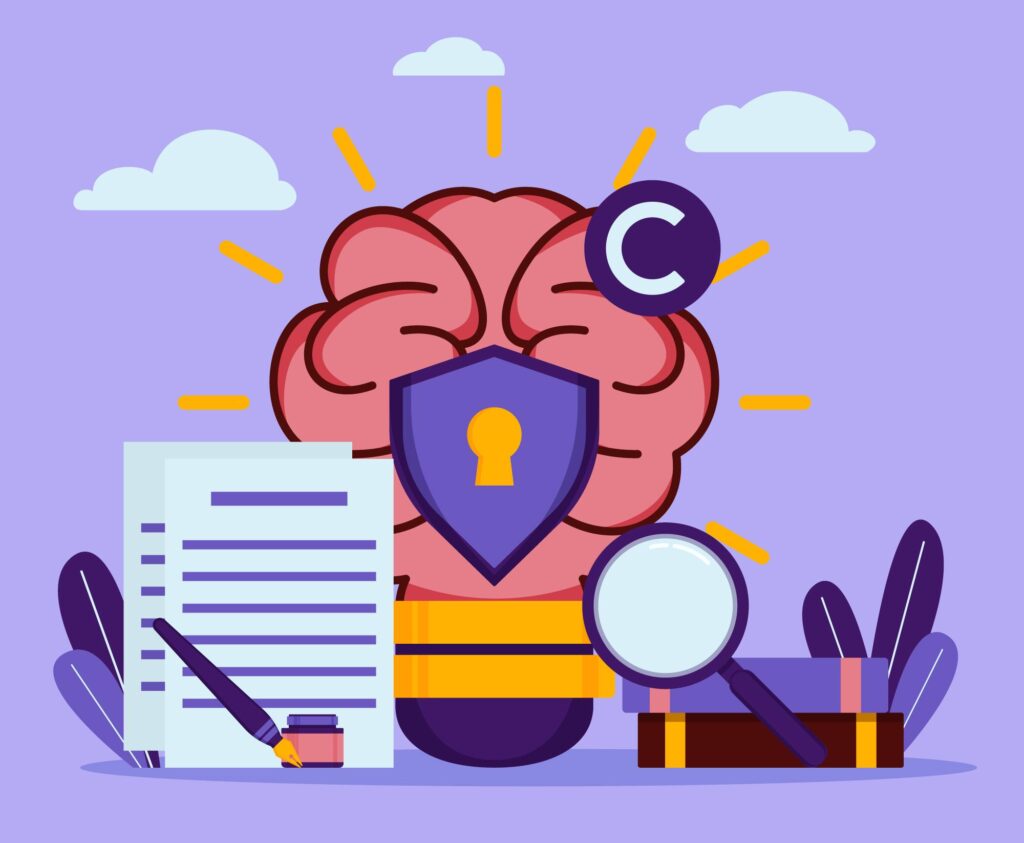
Retrieving information from memory is a complex and fascinating process that plays a crucial role in our daily lives. When we recall information, our brains actively reconstruct the memories, piecing together bits of information stored in different parts of the brain. This process can be influenced by various factors, such as the strength of the memory, the context in which the information was learned, and our current state of mind. For example, memories that are associated with strong emotions or are frequently recalled tend to be easier to retrieve.
Harshak’ Creative Memory Program is used dramatic association and association with fun to make a strong way to enter the information in memory which make it easy to retrieve the information at the time of need.


After encoding the information it retains a prescribed column of mind. Harshak’s creative memory use index method, link method and number& value methods to retain the information in to appropriate place of memory. It is very easy to retain the information after taking the program of creative Memory of Harshak Creative Memory Pvt. Ltd.

The retrieval of information is very important in our life. Harshak’s creative memory program help students to make index to retain memory in an appropriate place which helps to retrieve the information form such place when he need to do so. The creative memory program is designed in such way that information can be retrieved in as easy way from memory.
You can improve your memory retrieval skills by using techniques such as encoding specificity, retrieval practice, and the spacing effect. Try to study in environments similar to where you will need to recall the information, test yourself on the material, and space out your study sessions over time.
Difficulty in remembering information can occur due to various factors such as inadequate encoding during learning, lack of effective retrieval cues, or interference from other memories. Strengthening your encoding processes and using effective retrieval cues can help improve memory recall.
Yes, stress and anxiety can negatively impact memory retrieval. High levels of stress hormones can interfere with the functioning of the hippocampus, a brain region crucial for memory formation and retrieval. Practicing stress-reduction techniques such as mindfulness or exercise can help mitigate this effect.
Mnemonic devices, such as acronyms, rhymes, or visual imagery, can be effective in aiding memory retrieval. These devices provide additional cues that can help trigger the memory of the information you want to recall.
To enhance memory retrieval for important information, create a study plan that includes regular review sessions, practice retrieving the information using flashcards or self-quizzing, and try to make connections between the new information and what you already know.
Yes, forgetting is a normal part of the memory process. Even after using memory retrieval techniques, some degree of forgetting can occur. However, regular review and practice can help minimize forgetting and improve long-term retention.
